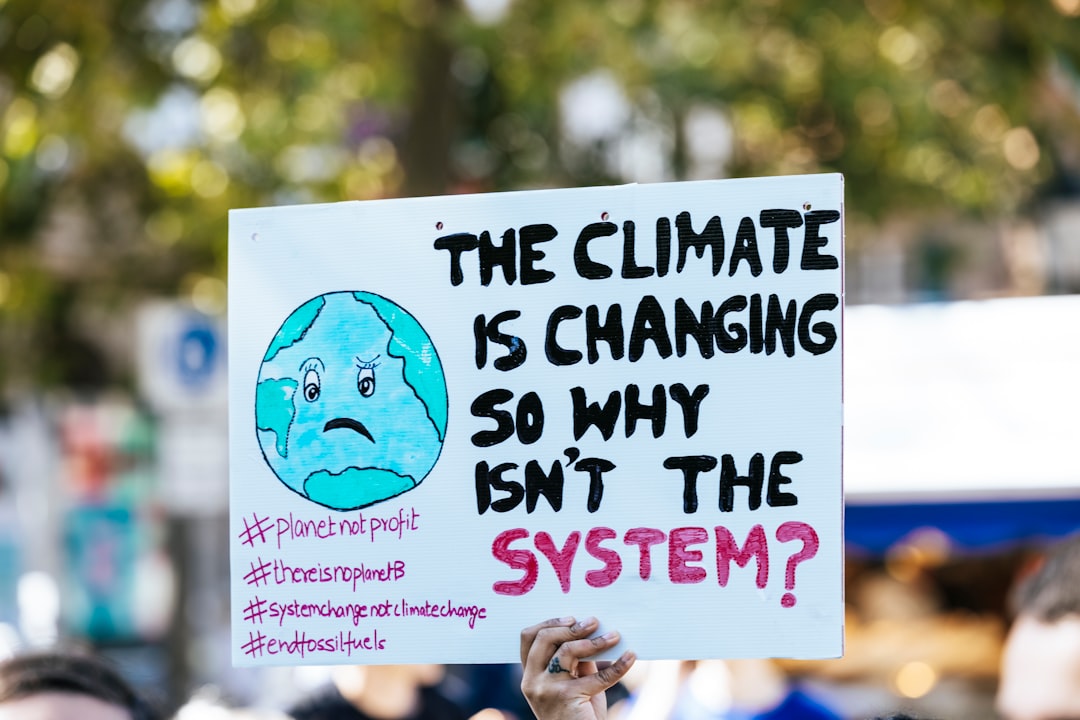
The 21st century has been marked by an alarming escalation in climate-related health crises, compelling the biomedical research community to confront the intricate relationship between climate change and human health. Record-breaking temperatures, extreme weather events, and the subsequent emergence of infectious diseases are not just environmental issues; they are urgent public health challenges that threaten the well-being of populations worldwide. As we navigate this precarious landscape, the scientific consensus is unequivocal: we must achieve substantial reductions in greenhouse gas emissions by 2050 to avert catastrophic impacts on both ecosystems and human health.
Recent findings underscore the pressing need for a paradigm shift in how we approach climate interventions. Research indicates that while awareness of the climate-health nexus is growing, many interventions fail to fully leverage the co-benefits that can arise from targeted climate actions. For instance, initiatives aimed at reducing emissions can simultaneously improve air quality, thereby decreasing respiratory illnesses and enhancing overall public health outcomes. This dual benefit is particularly salient in urban areas, where pollution levels are often highest, and marginalized communities bear the brunt of these environmental injustices.
In a collaborative effort led by a consortium of epidemiologists, climate scientists, and public health experts, a comprehensive framework has been proposed to streamline climate and health strategies. This framework emphasizes the importance of integrating health considerations into climate policies, ensuring that interventions not only mitigate climate change but also promote health equity. By engaging stakeholders across disciplines, this approach seeks to create a cohesive strategy that addresses the root causes of both climate change and health disparities, fostering resilience in communities most vulnerable to environmental shifts.
As we delve deeper into the broader implications of these findings, it becomes evident that the integration of health and climate agendas is not merely an academic exercise; it is a moral imperative. The urgency of this issue is mirrored in the global health landscape, where rising temperatures have been linked to an increase in vector-borne diseases, heat-related illnesses, and mental health challenges associated with environmental degradation. Moreover, the economic burden of inaction is staggering, with estimates suggesting that climate-related health impacts could cost trillions of dollars in lost productivity and increased healthcare expenditures.
CuraFeed Take: The intersection of climate and health presents both challenges and opportunities for the biomedical research community. As we move forward, it is crucial to prioritize interdisciplinary collaboration and invest in research that elucidates the health co-benefits of climate action. Policymakers must recognize that addressing climate change is not solely an environmental issue; it is a fundamental aspect of public health strategy. The time to act is now, and those who can effectively bridge the gap between climate science and health policy will emerge as leaders in shaping a healthier, more equitable future for all.