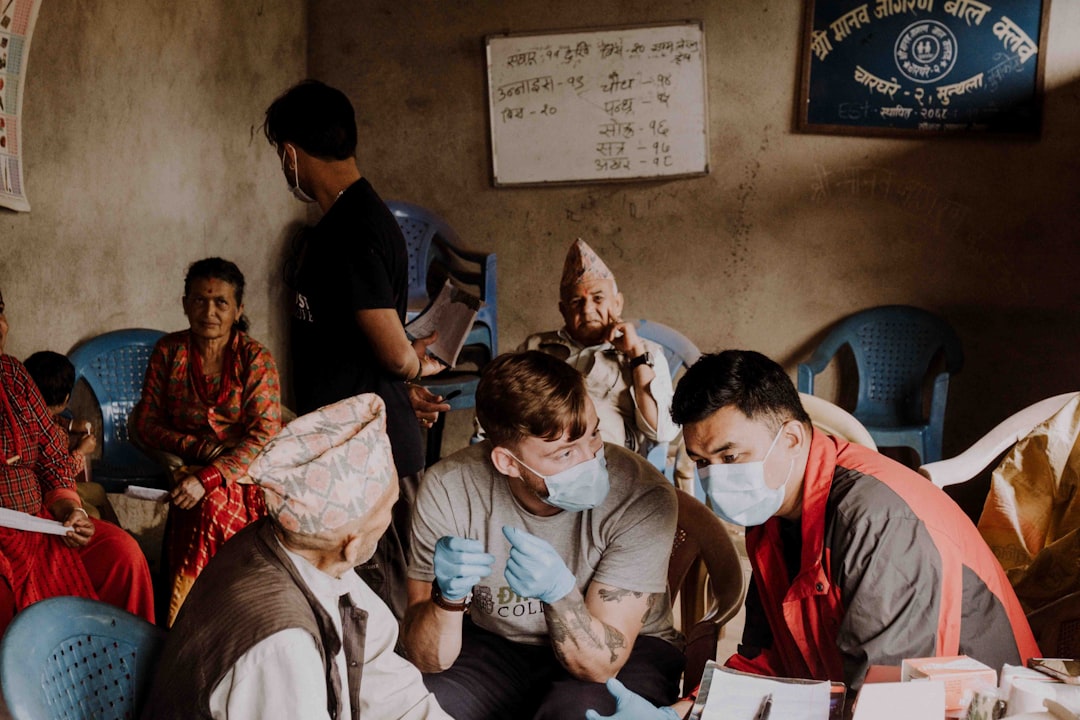
Transforming Cancer Research: AI's Role in Advancing Health Discoveries
A groundbreaking AI system is changing the way we approach cancer research, paving the way for new biological insights. Discover how this innovative technology could potentially enhance our understanding of health and disease.

The Psychedelic Renaissance: Unlocking Healing for Everyone
As the psychedelic movement gains momentum, it’s crucial to ensure that the benefits of these treatments reach all communities. This exploration dives into the potential of psychedelics for wellness and highlights the importance of inclusivity in this burgeoning field.

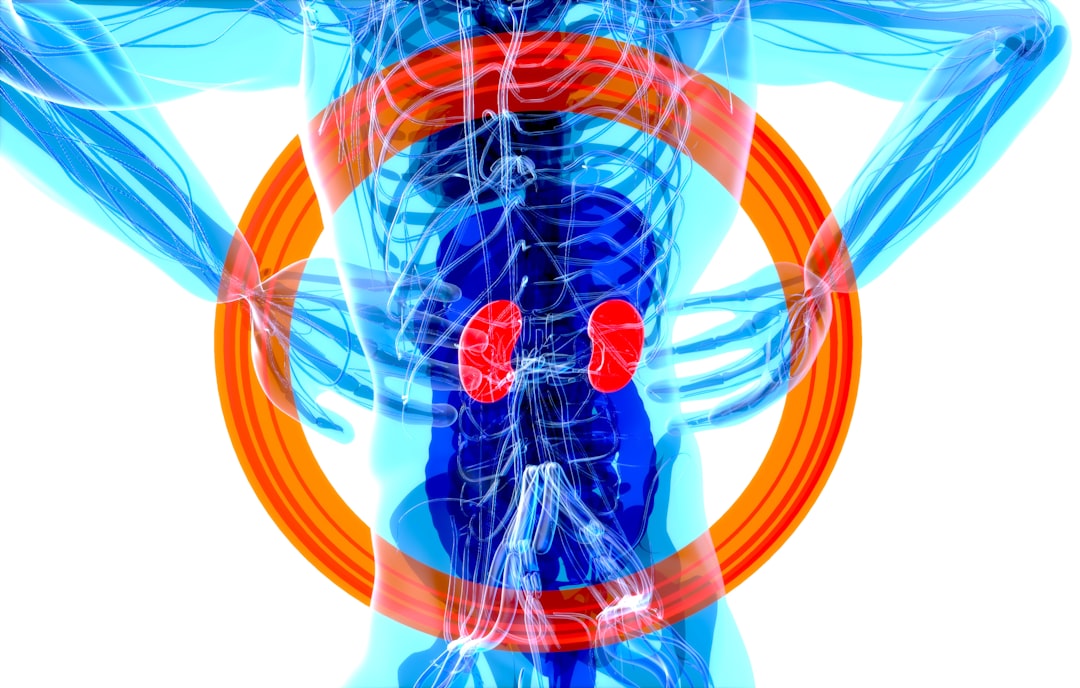
New Hope for Kidney Health: Targeted Therapies on the Rise
Exciting advancements in kidney disease treatment are finally bringing hope to patients and health-conscious individuals alike. With the emergence of targeted therapies, including immunomodulators and genetic treatments, managing kidney health has never been more promising.
Revolutionizing Obesity Management: The Power of Predictive Health Models
A groundbreaking new model is transforming how we understand and manage obesity. By predicting potential health complications, this innovative approach empowers individuals to take charge of their health journey.







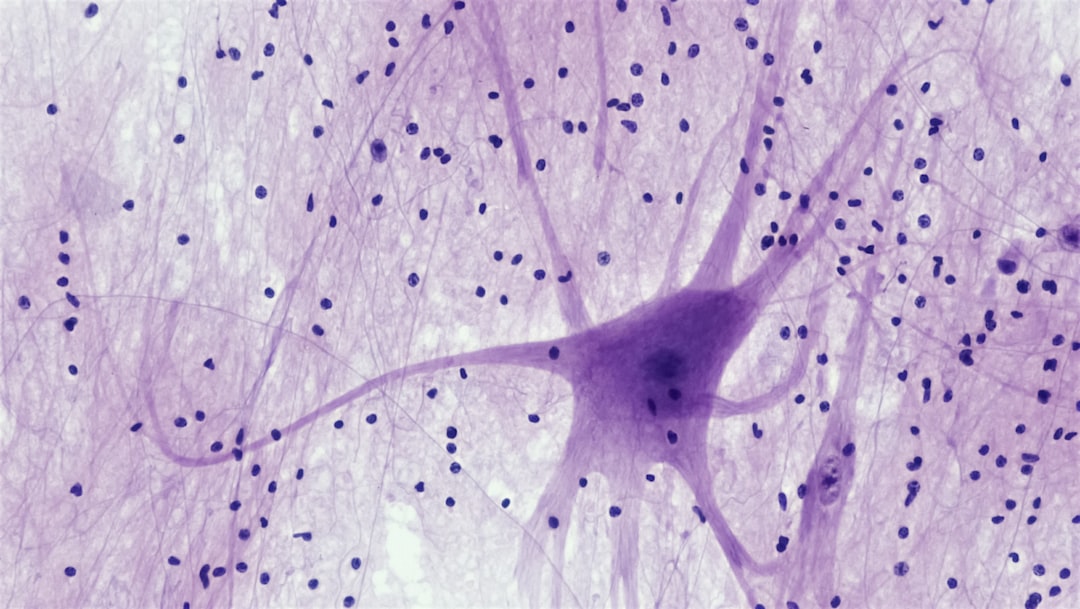
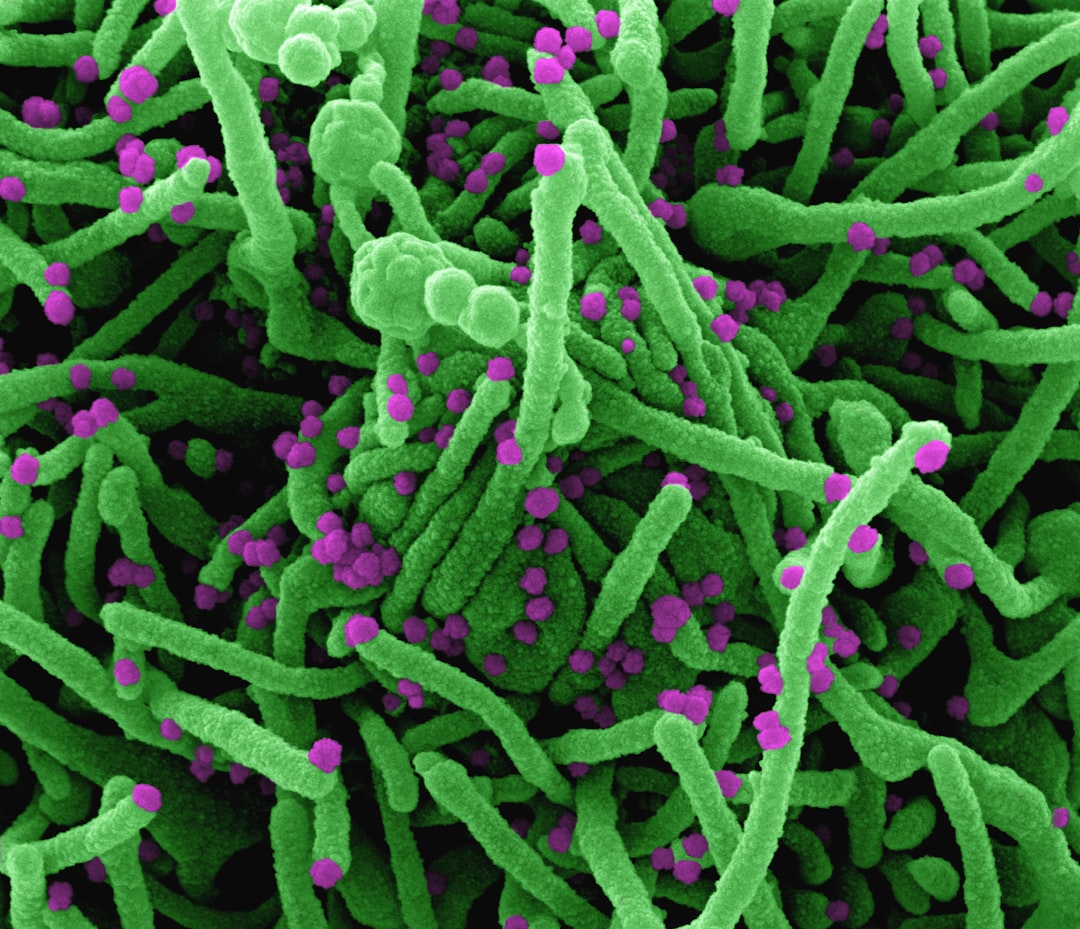


Promising Results from Low-Dose Nicotinamide Mononucleotide in ITP
New findings indicate that low-dose oral nicotinamide mononucleotide (NMN) could effectively boost platelet counts in patients suffering from immune thrombocytopenia (ITP). This study highlights the potential for NMN as a safer alternative to current treatments, paving the way for improved management of this condition.

Advanced Machine Learning Tool Enhances Risk Assessment for Obesity Interventions
A new predictive model, OBSCORE, offers a robust framework for identifying high-risk individuals for obesity-related complications, outperforming traditional methods. This innovative tool promises to refine intervention strategies and enhance patient outcomes in weight management.

Unraveling Environmental Triggers of Early-Onset Colorectal Cancer
The increasing rates of colorectal cancer in younger populations highlight the urgent need to identify environmental risk factors. Recent research suggests that epigenetic signatures may illuminate the underlying causes of this troubling trend.

Rethinking Respiratory Protection: Bias in Non-Inferiority Trials Exposed
Recent events in the UK highlight ongoing concerns about respiratory protection for healthcare workers against airborne pathogens. A critical examination of non-inferiority trials suggests that current guidelines may be misleading and inadequate for safeguarding healthcare professionals.










Alarming Surge in Pediatric HIV Cases in Pakistan: A Call to Action
A shocking report reveals that over 329 children have tested positive for HIV in Sindh, Pakistan, highlighting severe lapses in infection control measures. The situation underscores the urgent need for enhanced public health strategies and mass screening to combat this burgeoning crisis.

Celebrating 50 Years of Medicare: A Landmark in U.S. Health Policy
As Medicare marks its 50th anniversary, its impact on American healthcare is undeniable, covering over 55 million individuals. This comprehensive review delves into the historical significance, evolution, and implications of this national health insurance program.

Revolutionary DNA Molecules Target PCSK9 to Slash LDL Cholesterol Levels
A novel therapeutic approach utilizing DNA-based molecules has demonstrated the potential to significantly reduce LDL cholesterol, presenting a compelling alternative to statins. This innovative strategy focuses on inhibiting the PCSK9 protein, thereby enhancing cellular cholesterol uptake and minimizing arterial buildup.

Advancing Care: Novel Prediction Models for Febrile Children in Resource-Limited Settings
A groundbreaking multicountry study reveals that integrating clinical data with innovative biomarkers significantly enhances referral accuracy for febrile children in low-resource environments. This research challenges the standard WHO criteria, offering a promising new pathway for improving pediatric healthcare in South and Southeast Asia.