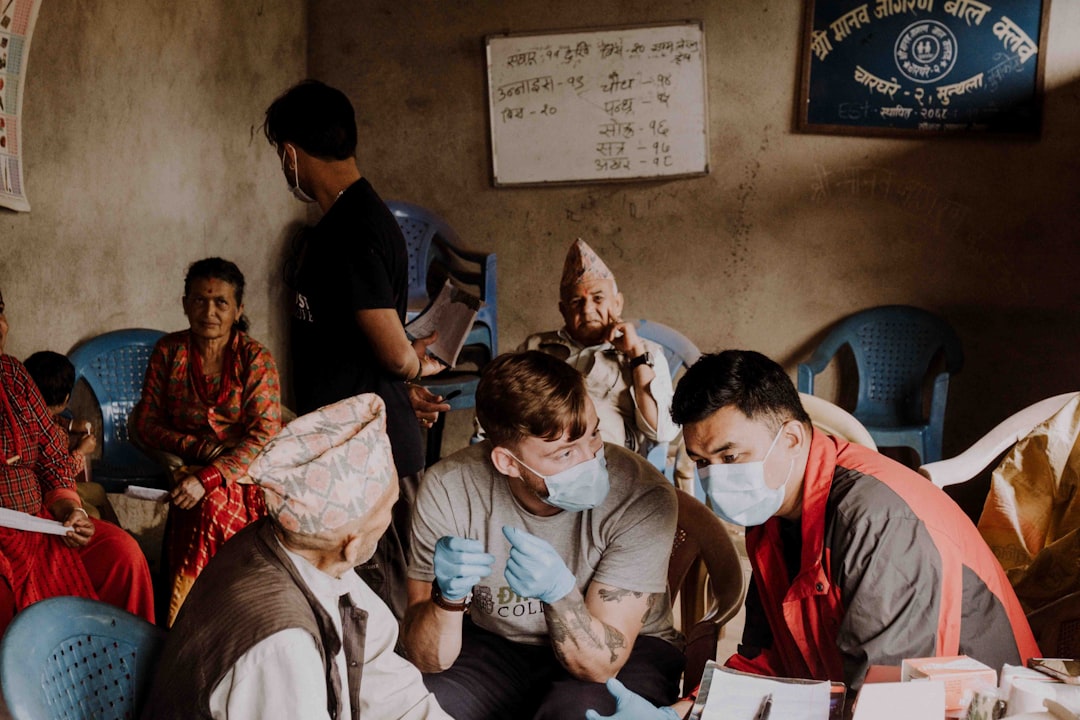
The humanitarian landscape is witnessing an unprecedented surge in emergencies, leading to the largest wave of forced displacements seen in a generation. As millions grapple with the consequences of protracted conflicts and public health crises, it is increasingly evident that the humanitarian system, designed for a different era, is failing to meet contemporary challenges. The current model's inadequacies have sparked urgent discussions among researchers and practitioners alike, highlighting the need for strategic reforms that can enhance the effectiveness and sustainability of humanitarian responses.
In a recent series published in The Lancet, researchers have articulated a compelling case for overhauling the existing humanitarian architecture. The recommendations are grounded in extensive analysis of recent crises, particularly the Syrian civil war and the Ebola epidemic, which exposed significant gaps in the responsiveness and adaptability of humanitarian interventions. The authors propose four pivotal actions aimed at reorienting humanitarian efforts to better serve affected populations and integrate them into national health systems. These actions include operationalizing the concept of centrality of protection, fostering a humanitarian-development nexus, remaking leadership and coordination structures, and ensuring that interventions are efficient, effective, and sustainable.
The first recommendation emphasizes the need to prioritize the protection of affected individuals as a core principle of humanitarian action. This involves not only safeguarding civilians from violence and exploitation but also ensuring that their voices are central to decision-making processes. The authors argue that this shift is critical for building trust and resilience within communities, ultimately leading to more effective public health interventions.
Secondly, the integration of affected persons into national health systems is posited as a key strategy for enhancing the humanitarian-development nexus. By addressing the systemic barriers that prevent marginalized populations from accessing essential health services, humanitarian organizations can foster a more cohesive response that leverages local capacities and resources. This approach not only improves immediate health outcomes but also contributes to long-term sustainability by strengthening national infrastructures.
The third recommendation calls for a fundamental rethinking of leadership and coordination within humanitarian operations. The authors contend that existing frameworks are often characterized by fragmentation and inefficiency, which undermine the ability to respond effectively to complex crises. By remaking leadership structures and fostering collaboration among diverse stakeholders, including local communities, governments, and international organizations, the humanitarian sector can enhance its agility and responsiveness.
Finally, the authors stress the importance of making interventions efficient and sustainable. This involves adopting evidence-based practices and leveraging technological advancements to optimize resource allocation and program delivery. By prioritizing outcomes over outputs, humanitarian organizations can ensure that their efforts yield meaningful and lasting impact for affected populations.
As the world grapples with escalating humanitarian crises, it is crucial to contextualize these recommendations within the broader landscape of artificial intelligence (AI) and data-driven decision-making in public health. The integration of AI into humanitarian efforts offers unprecedented opportunities for enhancing predictive analytics, improving resource deployment, and personalizing interventions. However, it also raises important ethical considerations regarding data privacy and the potential marginalization of vulnerable populations if not implemented equitably.
CuraFeed Take: The recommendations highlighted in this series represent a critical juncture for the humanitarian system. By embracing a paradigm shift that prioritizes protection, integration, and sustainability, humanitarian organizations can not only respond more effectively to current crises but also build resilience for future challenges. As researchers and practitioners, it is essential to monitor the implementation of these reforms and advocate for a more inclusive and responsive humanitarian framework that truly serves those in need. The next steps will involve mobilizing resources, engaging stakeholders, and harnessing innovative technologies to ensure that humanitarian action is not only reactive but proactive in safeguarding the well-being of vulnerable populations globally.