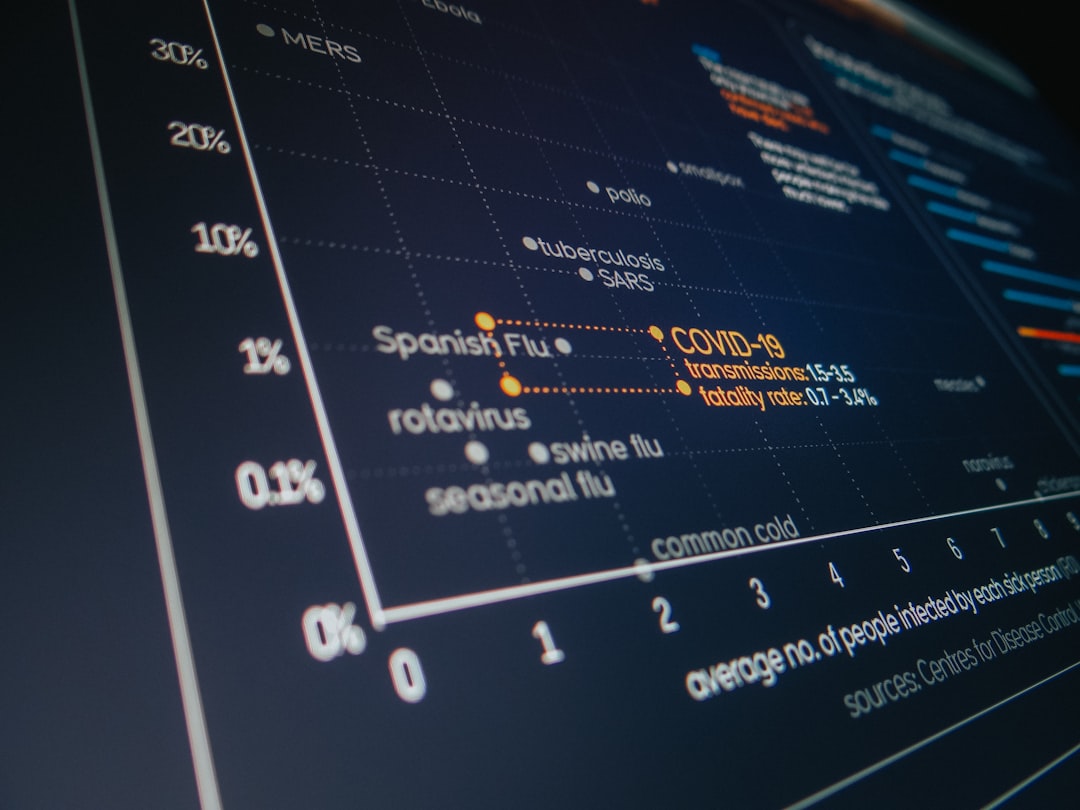
The COVID-19 pandemic has dramatically altered the landscape of global health, affecting millions and prompting an urgent response from public health authorities worldwide. As of March 25, 2020, the World Health Organization (WHO) reported over 375,000 confirmed cases in 195 countries. This rapid escalation necessitates the availability of precise, credible information for researchers and public health officials to make informed decisions. The emergence of numerous online tracking tools has been a response to this pressing need, but the proliferation of data sources also raises concerns regarding the reliability and consistency of the information provided.
In light of the pandemic's exponential growth, WHO has initiated the development of its online COVID-19 situation dashboard, which aims to centralize and present accurate data. This platform is designed to inform and guide health authorities and researchers by providing real-time updates on case numbers, geographic spread, and other critical epidemiological metrics. However, the sheer volume of data and the number of stakeholders involved in pandemic response—ranging from national health departments to private entities—complicate the information landscape. The risk of misinformation and data discrepancies can hinder effective public health responses and erode public trust in health institutions.
As researchers conduct studies to understand the virus's transmission dynamics and impacts, the availability of high-quality data is paramount. Various institutions and individuals have stepped in to create independent tracking tools, contributing to a fragmented data ecosystem. While these tools can enhance data accessibility, they can also lead to confusion among users who may struggle to discern which sources are credible. Furthermore, the multiplicity of actors can create barriers to accessing consistent data, which is essential for epidemiological modeling and public health interventions. The need for standardized data reporting practices and collaboration among stakeholders has never been more crucial.
In the broader context of artificial intelligence and public health, the integration of AI-driven analytics with epidemiological data can provide new insights and predictive modeling capabilities that enhance response efforts. However, the reliance on multiple platforms also presents challenges, as discrepancies in data reporting can lead to flawed analyses and misguided policy decisions. As the pandemic continues to unfold, it is essential for researchers and public health experts to advocate for unified data standards and collaborative efforts to ensure that the available information is both accurate and actionable.
CuraFeed Take: The current state of COVID-19 tracking illustrates a critical juncture for public health data management. While the diverse array of tracking tools can offer valuable insights, the potential for misinformation and conflicting data sources poses significant risks. Moving forward, the focus must shift towards developing a cohesive framework for data sharing and standardization that empowers researchers and health authorities alike. Stakeholders must prioritize collaboration and transparency to foster a more robust and reliable data ecosystem that can effectively address current and future public health crises.