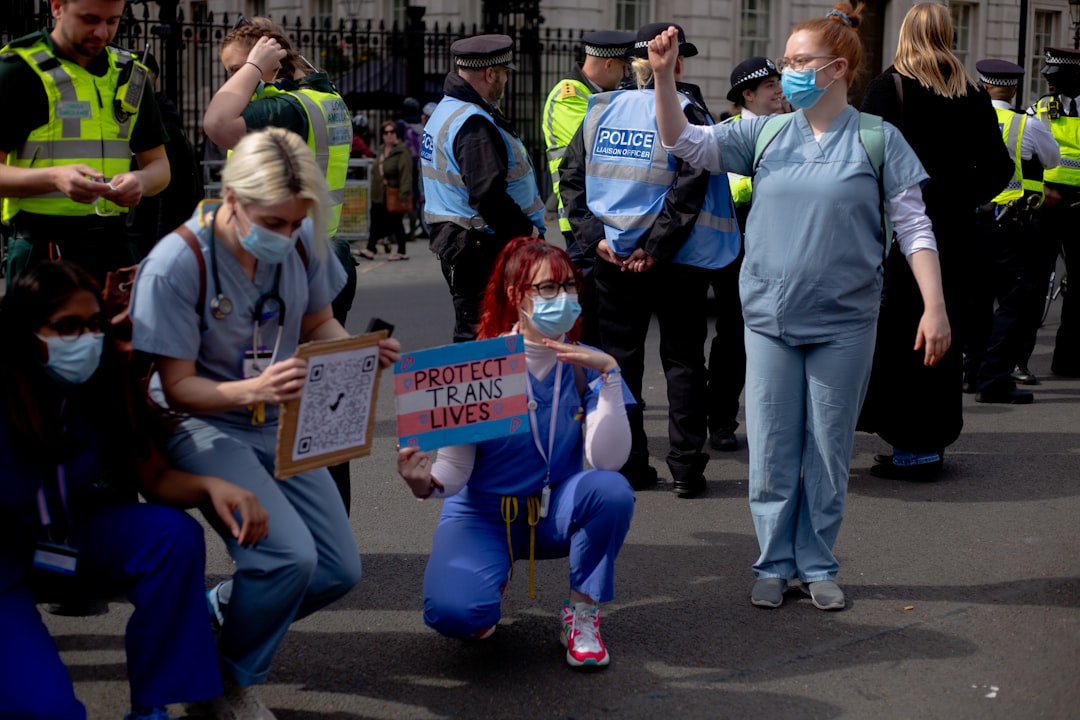
In a world where healthcare has become more critical than ever, the standoff between resident doctors and government officials shines a spotlight on not just the challenges within the healthcare system, but also the need for compassionate dialogue. The latest round of strikes by resident doctors in England marks a significant moment, as they engage in their 15th walkout since the beginning of 2023. With every strike, the stakes rise—not only for the doctors involved but for the patients who rely on their care.
Wes Streeting, the current Health Secretary, is under pressure as claims of politicizing the situation emerge. Jack Fletcher, chair of the British Medical Association's Resident Doctors Committee (RDC), emphasizes the importance of shifting focus from political maneuvering to genuine negotiation. Fletcher noted that prior to the recent strikes, discussions with the Department of Health and Social Care (DHSC) were progressing positively, showcasing the potential for constructive solutions. The government had proposed a series of reforms, including changes to pay structure, reimbursement of costs for royal college exam fees, contract reforms for locally employed doctors, and even an increase in specialty training positions over the next few years. These proposals are crucial for the future of healthcare, as they aim to improve working conditions and provide more opportunities for aspiring doctors.
As the dialogue between resident doctors and the government remains fraught with tension, it’s essential to consider the broader implications of these negotiations. The healthcare landscape in the UK is at a pivotal juncture, with rising demands on the system due in part to an aging population and increasing patient needs. A harmonious relationship between healthcare providers and the government is vital to ensure that the quality of care remains high and that healthcare professionals feel valued and supported. This situation serves as a reminder of the importance of mental well-being for those in the medical field, as they often face burnout and stress while trying to meet the demands of their roles.
CuraFeed Take: The breakdown in negotiations highlights a significant issue in the healthcare system—one that goes beyond immediate pay disputes. While it’s clear that doctors need fair compensation and opportunities for professional growth, what’s equally important is cultivating an environment where open communication takes precedence over name-calling and politicizing. In this instance, both doctors and the government have the chance to emerge stronger through collaboration. Moving forward, we should watch closely how the government adjusts its approach and whether a renewed focus on teamwork can pave the way for a healthier future for both healthcare professionals and the patients they serve.
As we navigate these turbulent times, let us champion a culture of respect and understanding in discussions about healthcare. Every voice matters, and together, we can create a supportive environment that nurtures both the physical and mental health of our caregivers, ensuring they remain equipped to provide the best care possible.