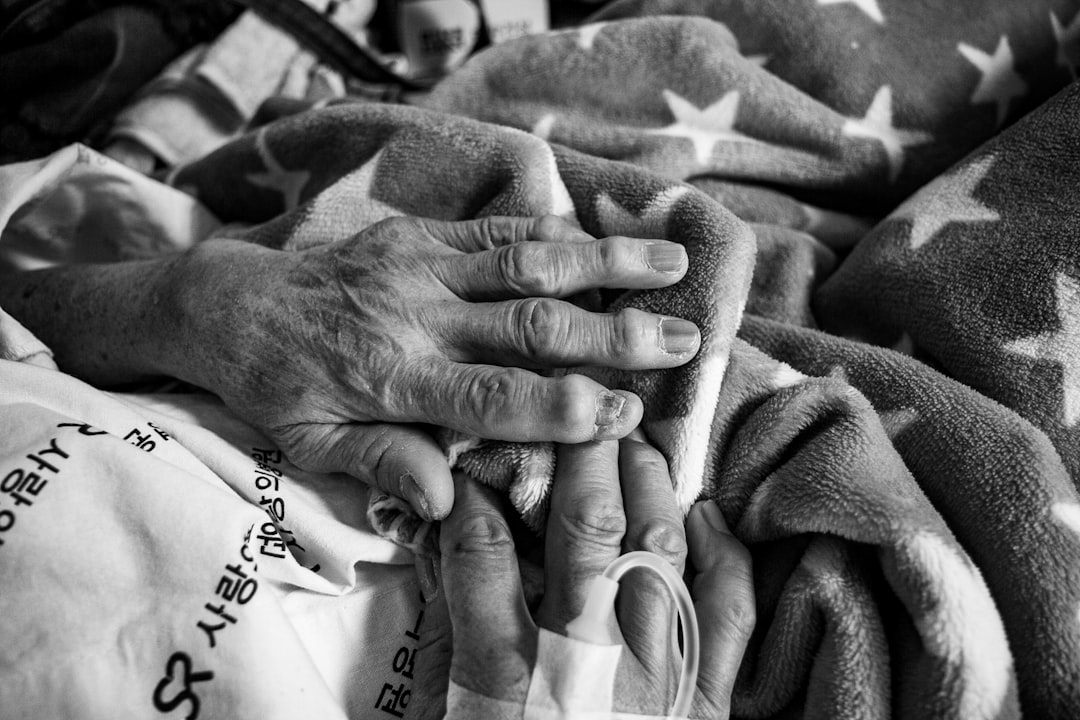
The intersection of medical education and the reality of mortality is seldom addressed within the walls of academic institutions. Yet, for healthcare professionals, grappling with the death of a student—a future colleague—raises profound ethical and emotional questions that extend far beyond the clinical skills taught in classrooms. As we navigate an era where the medical field is evolving rapidly, the importance of acknowledging and preparing for these human experiences becomes increasingly urgent.
In a recent essay published in The Lancet, a seasoned geriatrician recounts the harrowing experience of caring for a beloved medical student, Sakal, who was facing terminal illness. The author candidly admits that despite years of experience treating dying patients, the situation felt particularly burdensome due to the personal connection with Sakal, who was not only a promising future physician but also a cherished member of the medical community. This unique relationship complicates the typical dynamics seen in clinical education, where all students are generally viewed as equal and treated with the same level of professionalism.
This narrative sheds light on the emotional weight carried by educators in medicine, especially when they encounter students who are not just learners but also individuals facing the end of their lives. It highlights a gap in medical training where emotional intelligence and the ability to process grief are as crucial as clinical knowledge. The author reflects on the implications of this experience, emphasizing that educators and healthcare professionals must also confront their vulnerabilities and the ethical dilemmas that arise when personal feelings intersect with professional responsibilities.
Within the broader context of artificial intelligence and healthcare, the role of technology in medical education is evolving rapidly. While AI can assist in diagnostics and treatment planning, it cannot replicate the human experience of compassion and emotional connection that is necessary for holistic patient care. As we integrate more technological tools into the healthcare system, there is a danger that the human aspect of medicine may be overshadowed. This essay serves as a reminder that the art of medicine lies not only in treating diseases but also in nurturing relationships with patients, students, and colleagues alike.
CuraFeed Take: The experience shared by the author is a vital call to action for medical educators and institutions. It underscores the need for curricula that incorporate training in emotional resilience and ethical decision-making, particularly in the face of mortality. As healthcare continues to advance technologically, we must ensure that the personal connections and empathetic understanding foundational to the practice of medicine are not lost. This poignant reflection urges us to revisit how we prepare future clinicians to handle the complexities of life, death, and the relationships forged in between, setting a precedent for a more compassionate and holistic approach to medical education.