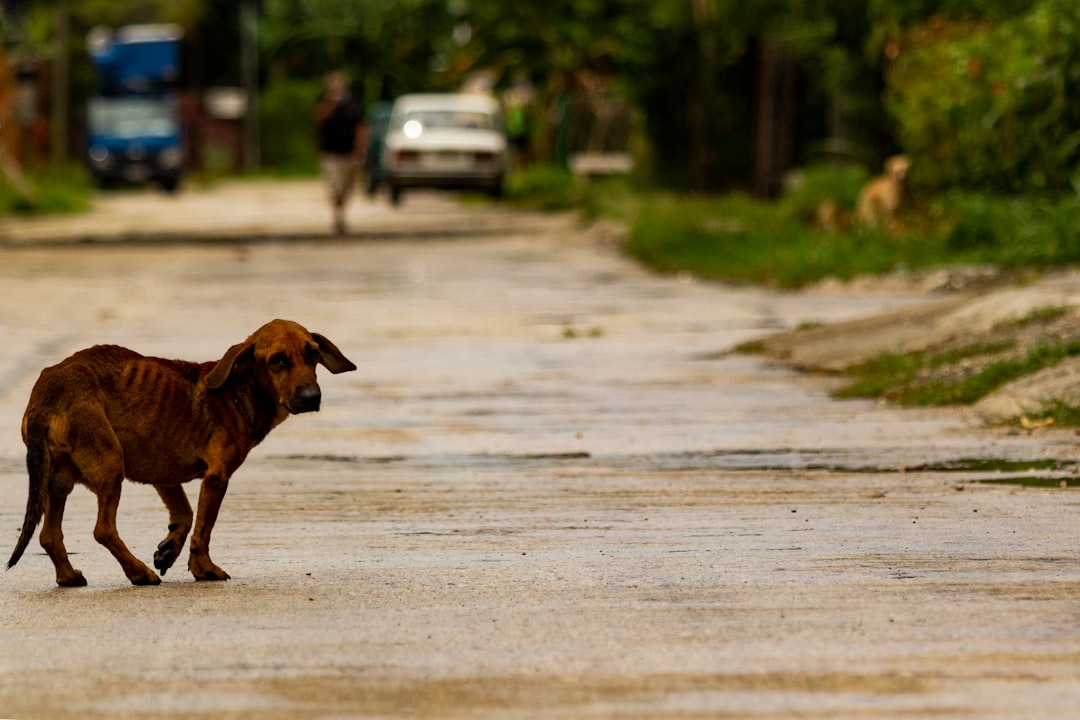
Rabies has long been a haunting specter in the realm of global health, particularly in Africa, where it continues to exert a devastating toll on communities. Recent estimates indicate that approximately 59,000 lives are lost each year to this preventable disease, with Africa bearing the brunt, accounting for over 60% of these tragic deaths. To compound the problem, inadequate surveillance systems across the continent likely lead to significant underreporting, obscuring the true extent of the rabies challenge and exacerbating health inequities. As we approach World Rabies Day 2024, themed "Breaking Rabies Boundaries," there exists a critical opportunity to galvanize efforts and implement actionable strategies aimed at eliminating rabies in the region by 2030.
The ongoing fight against rabies necessitates a multifaceted approach that includes enhancing surveillance capabilities, increasing vaccination coverage, and fostering community engagement. The World Health Organization (WHO) advocates for a One Health strategy, recognizing the interconnectedness of human, animal, and environmental health. This approach is especially pertinent in rural African communities, where dog-mediated rabies predominantly occurs. By establishing robust surveillance systems, authorities can obtain accurate data to inform public health interventions and allocate resources effectively. Furthermore, monitoring vaccination rates among dog populations is crucial for curtailing transmission and protecting human health.
Key stakeholders, including governments, non-governmental organizations, and local communities, must collaborate to address the barriers that hinder rabies elimination. Initiatives to promote responsible pet ownership, coupled with education campaigns on the importance of vaccination, can empower communities to take active roles in rabies control. Moreover, establishing sustainable funding mechanisms will be essential in maintaining these initiatives over the long term. It is imperative that we leverage technological advancements to enhance data collection and analysis, thereby improving our understanding of rabies epidemiology in Africa.
In the broader context of global health and the ongoing challenges presented by zoonotic diseases, the rabies crisis in Africa underscores the urgent need for a coordinated response. The increasing frequency of zoonotic spillover events highlights the vulnerabilities within human and animal health systems. As nations become more interconnected, the potential for rabies and other zoonotic diseases to transcend borders becomes a prominent concern. Therefore, a concerted effort toward rabies elimination can serve as a model for addressing other infectious diseases, reinforcing the necessity for integrated health strategies.
CuraFeed Take: The commitment to eliminating rabies in Africa by 2030 is not just a public health imperative; it is a moral obligation. Success in this endeavor will depend on the collaborative efforts of diverse stakeholders, innovative funding solutions, and the commitment to improving surveillance and vaccination efforts. Those who prioritize these initiatives will not only save countless lives but also contribute to a more equitable health landscape across the continent, while failure to act will perpetuate the cycle of preventable suffering. As we move forward, keeping a close eye on advancements in vaccine technology and community engagement strategies will be critical in the fight against rabies and other emerging zoonotic threats.