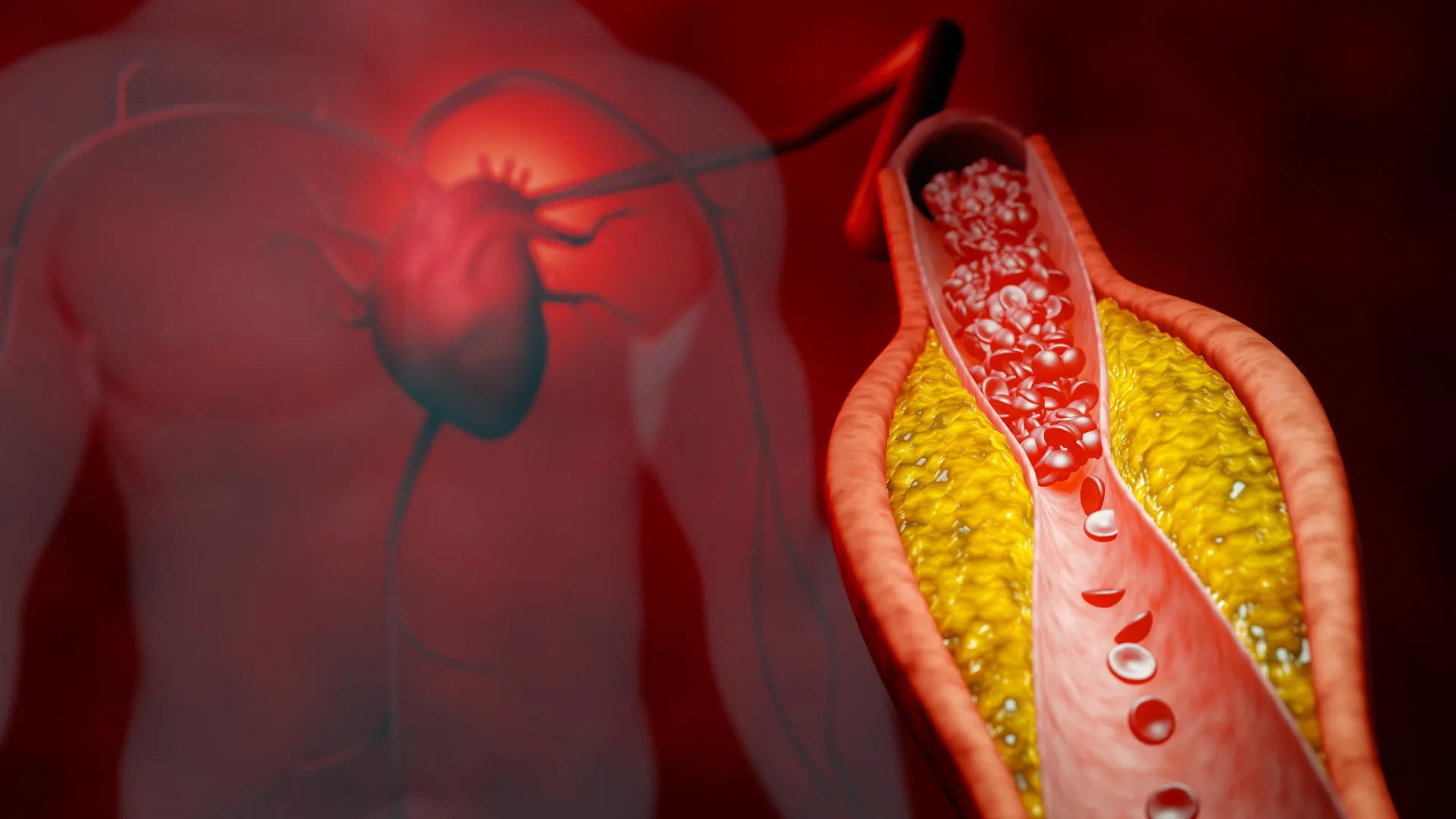
The ongoing battle against cardiovascular disease, which remains one of the leading causes of mortality globally, has prompted a continuous search for innovative therapeutic strategies to manage high cholesterol levels. Recent advancements have unveiled a groundbreaking treatment that could redefine cholesterol management by leveraging the capabilities of tiny DNA molecules to inhibit the activity of the PCSK9 protein. This breakthrough comes at a critical time when traditional statin therapies are facing scrutiny due to their variable efficacy and side effects among patients.
Researchers have developed a new class of therapeutic agents that target and shut down the PCSK9 protein, a key regulator of LDL cholesterol metabolism. By employing synthetic DNA-based molecules, the study demonstrated an impressive reduction of nearly 50% in LDL cholesterol levels. This reduction is achieved by enhancing the liver's ability to clear cholesterol from the bloodstream, which is particularly significant given that elevated LDL cholesterol is a well-established risk factor for cardiovascular diseases, including heart attacks and strokes.
The study, conducted by a collaborative team of biochemists and molecular biologists, utilized a combination of genomics and molecular biology techniques to design and optimize these DNA molecules. The methodology involved high-throughput screening to identify sequences capable of effectively binding to PCSK9 and modulating its activity. The researchers employed both in vitro and in vivo models to validate the efficacy of these DNA molecules, ensuring that the findings translate to potential clinical applications.
In the broader context of cholesterol management, the introduction of this novel treatment aligns with the growing interest in gene-targeted therapies. While statins have long been the cornerstone of cholesterol-lowering strategies, their limitations have driven researchers to explore alternative options. The engagement of PCSK9 as a therapeutic target has already gained traction with monoclonal antibodies, but the current study's approach offers a more accessible and potentially less expensive treatment modality.
Moreover, the implications of this research extend beyond LDL cholesterol management. As the field of genomics continues to evolve, the potential for DNA-based therapies to address a range of metabolic disorders is becoming increasingly evident. This study not only highlights the promise of targeted gene therapies but also emphasizes the need for continued exploration of non-traditional treatment avenues in cardiovascular health.
CuraFeed Take: This innovative approach marks a significant shift in the treatment landscape for hyperlipidemia, particularly for patients who are statin-intolerant or do not achieve adequate control with existing therapies. The success of these DNA molecules could pave the way for new clinical trials and regulatory approvals, establishing a new standard for LDL cholesterol management. As research progresses, stakeholders in the biomedical field should closely monitor developments in genomic therapies, anticipating a shift in treatment paradigms that prioritize precision medicine and personalized approaches to cardiovascular risk reduction.